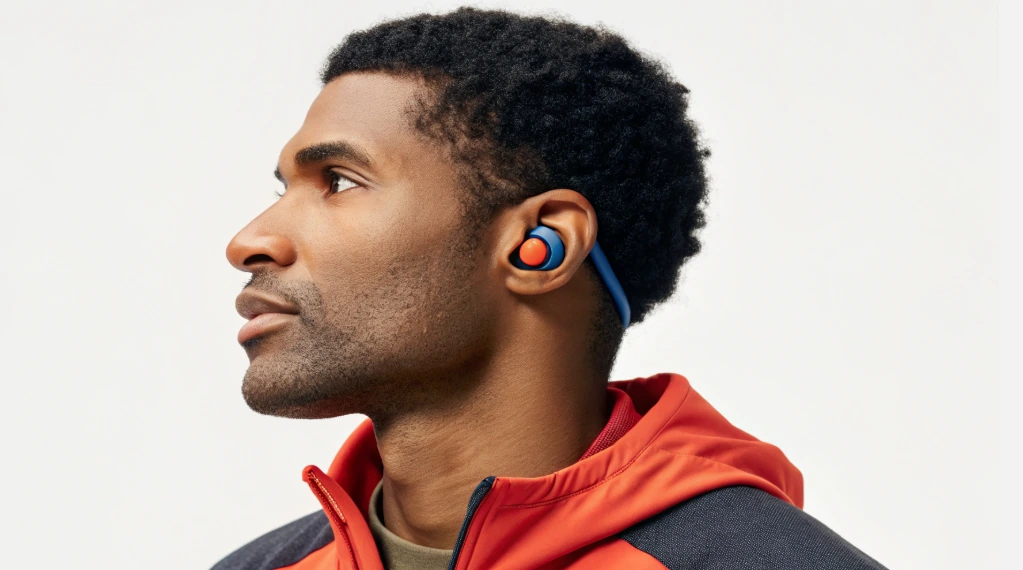
JBL Endurance Peak 3 Review: The Truth About These Sport Earbuds
True wireless earbuds built specifically for sport are a different category from regular TWS models — the priorities shift toward secure fit, water resistance, and battery life over premium sound and compact design. The JBL Endurance Peak 3 sit firmly in this category at around $99 as of 2026, with a hook-based locking system, IP68 rating, and 50 hours of total playback. The question for most buyers isn’t whether they’re good for the price, but whether the trade-offs make sense for how you actually train.
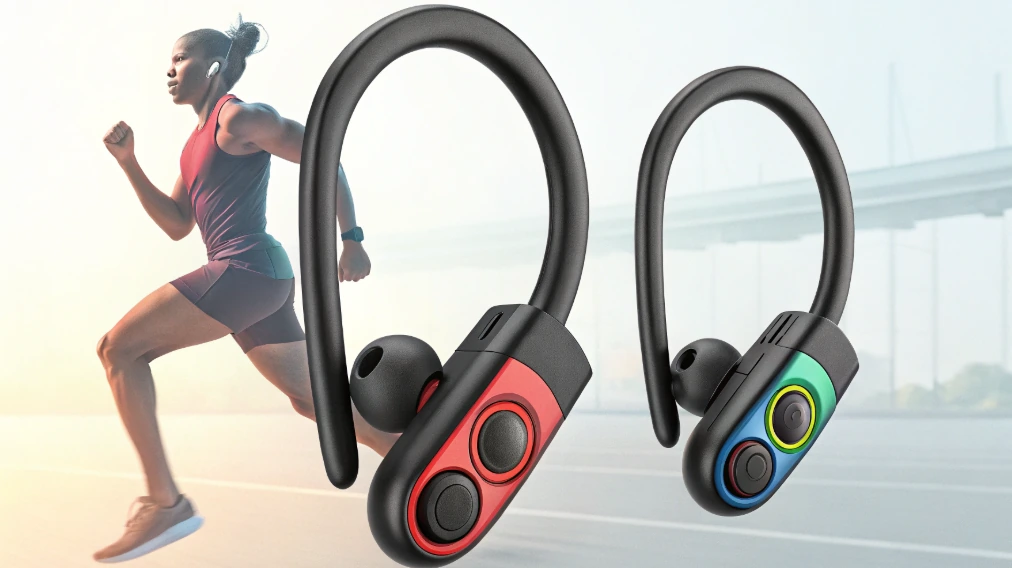
Practical verdict: the Endurance Peak 3 are a strong pick for runners, lifters, and anyone who works out outdoors in unpredictable weather — the IP68 rating, secure hook design, and 10-hour single-charge runtime cover the use case well. Skip them if all-day comfort matters more than secure fit (the locking system can fatigue ears during long passive use), if you prefer a balanced sound signature without EQ adjustment, or if call quality is a priority. Check the fit before committing — the Powerhook design is polarizing once it’s in your ears for over an hour.
Fit and the Reality of the Powerhook System
JBL’s Powerhook Twistlock mechanism works by inserting the earbud and then rotating it backward so the hook locks over the ear cartilage. Once dialed in, the result is genuinely secure — burpees, sprints, and even inverted exercises won’t dislodge them. The seal is also tight, which gives passive isolation a meaningful boost before any active noise cancellation kicks in.
The trade-off is comfort over time. The same pressure that keeps the earbuds locked also makes you aware they’re there. For a 45-minute workout this is essentially invisible — you’re focused on breath, pace, or load. Past the 90-minute mark, especially during recovery sessions or commutes between gym and home, the awareness becomes harder to ignore.
There’s also a small learning curve. The twist motion isn’t intuitive on day one, and getting both sides locked symmetrically takes a few tries before muscle memory kicks in. If you have access to a store that allows testing before purchase, this is one model where it’s worth doing — Powerhook is either right for your ear shape or noticeably wrong, with little middle ground.
Controls, App, and the EQ That Actually Matters
The touch sensors on both earbuds handle the standard set: play/pause, track skip, call management, voice assistant, and switching between ANC, Ambient Aware, and TalkThru modes. The control layout is configurable in the JBL Headphones app, which is where the Endurance Peak 3 quietly become more flexible than the out-of-the-box experience suggests.
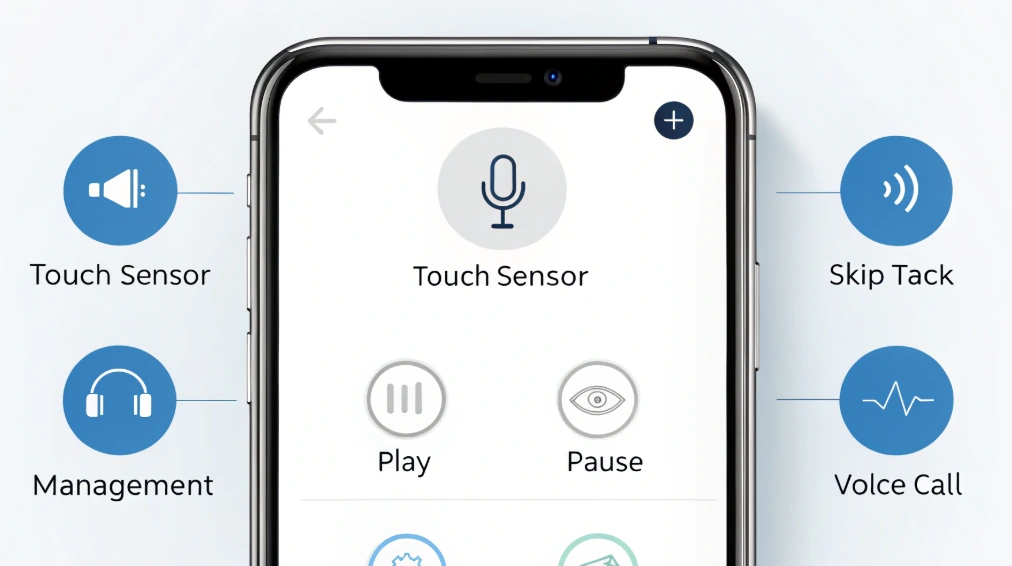
The companion app includes a working equalizer with both presets and a custom curve. This matters more than it sounds because the default tuning leans heavily into bass — pleasant for most listeners, but capable of overwhelming midrange detail in certain genres. A modest cut in the 80–150Hz range tightens the low end without losing punch, and a small bump in the 4–6kHz range restores some of the air that the default signature smooths over. Five minutes in the app meaningfully changes the listening experience.
Ambient Aware and TalkThru modes pipe in surrounding sound through the microphones. Ambient Aware is the version designed for situational awareness during outdoor running — traffic, footsteps, voices come through clearly enough to react to. TalkThru is more aggressive, designed for brief conversations without removing the earbuds, and lowers music volume automatically.
Battery Life That Genuinely Outlasts Competitors
The 50-hour total runtime — 10 hours per charge plus 40 hours from the case — is one of the strongest specs in this price bracket. A 10-minute fast charge yields about an hour of playback, which is the right margin for “forgot to charge them” mornings.
To put the numbers in context, here’s how the Endurance Peak 3 compare to mainstream sport-focused alternatives as of 2026:
| Model | Per-Charge Battery | Total With Case | Water Resistance | Approx. Price |
| JBL Endurance Peak 3 | 10 hours | 50 hours | IP68 | $99 |
| Jabra Elite 8 Active | 8 hours | 32 hours | IP68 | $199 |
| Sony WF-C710N | 8.5 hours | 30 hours | IPX4 | $119 |
| Beats Fit Pro | 6 hours | 24 hours | IPX4 | $199 |
The runtime gap is meaningful for travelers, multi-day campers, or anyone who tends to leave the case at home for hours at a time. The IP68 rating also matters here — most “sport” earbuds top out at IPX4, which handles sweat but not rain. IP68 means the chassis is rated for dust and brief submersion. JBL doesn’t recommend swimming with them, and that’s the right read; the rating is a margin of safety against rain and accidental drops, not a swimming feature.
Bluetooth, Calls, and Real-World Connection

The Endurance Peak 3 use Bluetooth 5.2. In daily use the connection holds stable in dense urban environments, on public transit, and during gym sessions where dozens of other Bluetooth devices crowd the spectrum. There’s no LE Audio support, no LDAC or aptX — codec support is limited to SBC and AAC, which is standard at this price.
Call quality is the weakest part of the package. Voice comes through to the other side clearly enough for casual calls, but with a slight compressed quality that callers will sometimes describe as thin or “tin-canny.” This is typical of in-ear sport models where the microphone sits far from the mouth and is tuned to cut background noise aggressively. For frequent business calls, a dedicated headset or a model with beamforming microphones will serve better. For occasional calls during a run or a workout, the Endurance Peak 3 are functional.
The earbuds maintain a stable connection through normal city interference, including walking past 4G/5G dense zones and crowded coffee shops. No dropouts in standard use.
Sound Quality Across the Frequency Range
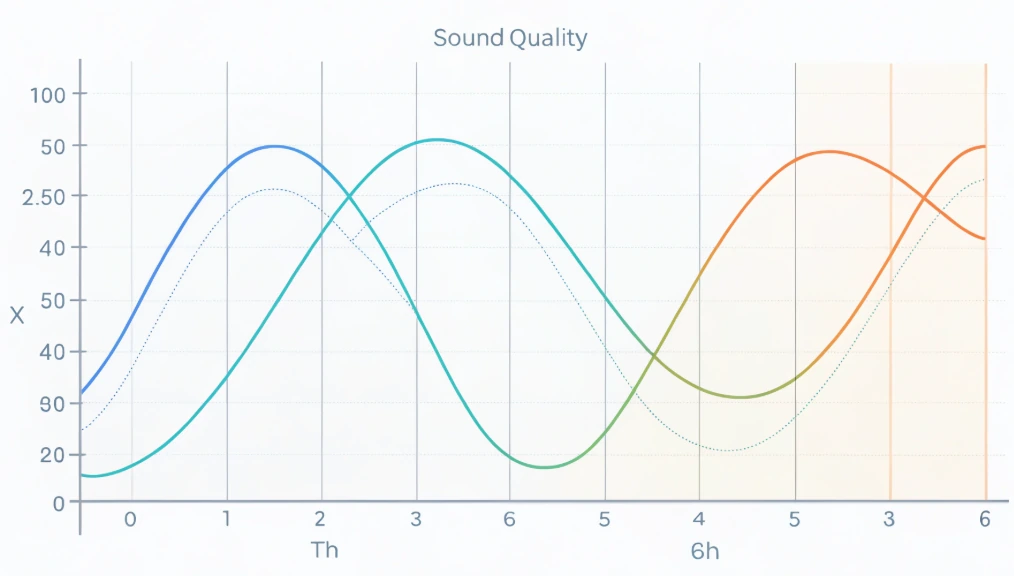
The Endurance Peak 3 are tuned for the broad-appeal v-shape that dominates sport earbuds — emphasized bass, recessed-but-present mids, and smooth-rather-than-bright highs. For a workout context, this is the right call. Cardio sessions benefit from low-end energy, and a smooth treble means you can train for an hour without ear fatigue.
Low end
Bass is the headline. Sub-bass extension is genuinely deep, and the mid-bass has weight that lands on hip-hop, electronic, and modern pop without sounding loose. The control is decent — the bass doesn’t bleed heavily into the lower mids — though listeners with strict standards will hear some warmth creep upward. The included EQ resolves most of this in two minutes if you’re sensitive.
Mids
The midrange is full and warm. Vocals come through with body, and acoustic instruments retain a sense of natural texture. The upper mids carry just enough energy to keep the sound from feeling muddy. The trade-off is that the low mids can feel slightly veiled when bass-heavy tracks are playing simultaneously — male vocals on certain electronic productions will sit further back than ideal. For most workout playlists this is invisible; for critical listening it’s a real limit.
Highs
The treble leans smooth and slightly dark. There’s no sibilance, no harshness on cymbals, no fatigue across long sessions. The cost is sparkle — listeners who prefer crisp, airy highs will find the Endurance Peak 3 noticeably warmer than something tuned for analytical listening. This is a feature for the use case (no one wants harsh treble during a sprint interval) and a limit for music-first listeners.
Who These Earbuds Are Actually For
Before deciding, a few practical checks worth running:
- Match the fit to your training style. Hook-based earbuds win on security and lose on long-session comfort. If most of your use is 30–60 minute workouts, the Powerhook is an advantage. If you also wear them at a desk or on commutes, comfort fatigue becomes a factor.
- Plan to spend five minutes in the app. The default tuning is bass-forward by design. The EQ moves the sound noticeably — accept that as part of the setup, not as an optional extra.
- Confirm calls aren’t a primary use case. Voice clarity to the other side is functional, not impressive. If you take frequent calls outdoors, expect callers to comment occasionally.
- Treat the IP68 rating as a safety margin, not a feature. Rain, sweat, accidental drops in puddles — all fine. Swimming and high-pressure water exposure — not the intended use.
- Compare total cost honestly. At $99 with 50 hours of runtime and IP68, the value is real. Jumping to the $199 alternatives buys better calls and slightly better tuning, not radically different core performance.
For the gym-goer, runner, or cyclist who wants secure-fit earbuds with serious battery life and weatherproofing under $100, the Endurance Peak 3 cover the brief better than most rivals at the same price as of 2026. The compromises — bass-heavy default tuning, mediocre calls, and the Powerhook learning curve — are predictable and worth knowing before purchase rather than discovering after.