Practical Spectra X FAQ: Hi-Res Audio, DAC Use and Device Compatibility
A practical question-and-answer page for listeners who want to understand Hi-Res audio, external DAC use, volume control, charging, heat, drivers, headphones and real device compatibility before using Spectra X as a daily portable DAC/AMP.
Quick Orientation
The FAQ follows the real listening chain
Hi-Res source
Start with file quality, mastering and the playback app before judging any DAC.
External DAC role
Spectra X handles conversion and headphone drive outside the noisy built-in output stage.
Device fit
Adapters, operating systems and headphone sensitivity decide whether the setup works smoothly.
Hi-Res Audio
What Is High-Resolution Audio?
High-resolution audio is music stored with more detail than standard compressed formats such as MP3. When a track is compressed too heavily, small details can disappear: room reflections, vocal texture, cymbal decay, bass shape and the natural space between instruments. Hi-Res audio keeps more of that information, so the recording can sound closer to the original studio master.
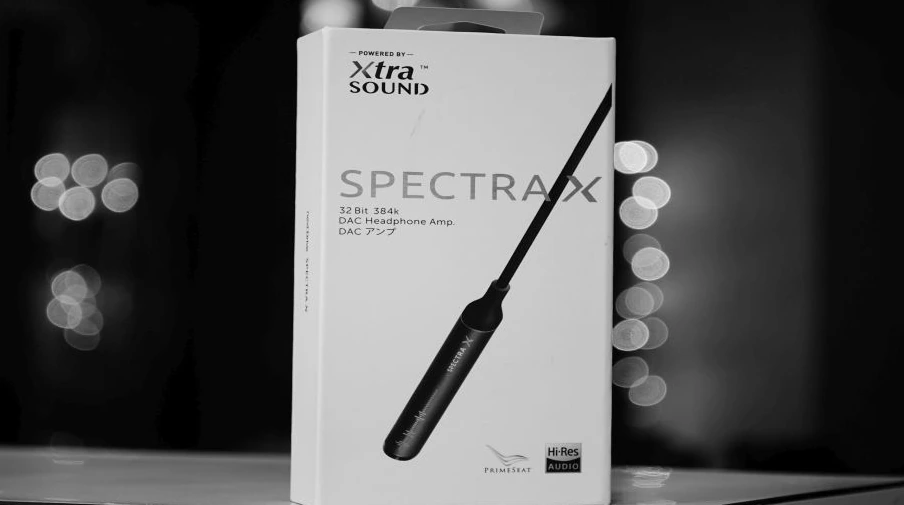
Spectra X is designed for this type of listening. It supports playback up to 32-bit / 384kHz, which goes beyond standard CD quality. That does not mean every song will automatically sound better. The result depends on the quality of the recording, the music file, the player app, the headphones and the listening environment. But with a proper Hi-Res source, Spectra X gives the audio signal a cleaner path from device to headphones.
Music Sources
Where Can You Find High-Resolution Music?
Hi-Res music is available from specialist music stores and selected streaming platforms. The best choice depends on your country, music taste and whether you prefer downloads or streaming.
Common places to look include:
- HDtracks
- Chandos
- e-onkyo music
- mora
- music.jp
- Ototoy
- Victor Studio HD-Music
- Tidal
Before buying tracks, check the file format, resolution and device support. Some stores focus on FLAC or WAV downloads, while others may use regional catalogues or app-based playback. Also remember that a “Hi-Res” label is useful only when the original mastering is good. A poor master will not become excellent simply because it is sold in a larger file format.
Playback Software
Which Programs Work Well for Hi-Res Audio?
For Hi-Res playback, use a music player that can handle lossless or high-resolution files correctly. Basic system players may work, but dedicated audio software usually gives better format control and clearer output settings.
Windows and macOS
- Audirvana
- JRiver
- Roon
- Tidal
- Amarra
- BitPerfect
- Pure Music
iOS and Android
- Poweramp
- Tidal
- iAudioGate
The most important setting is output quality. Make sure the app is not downsampling your music to a lower resolution.
On Windows, also check the driver and audio output mode. On mobile, check that the phone recognizes Spectra X through the correct adapter.
DAC Basics
What Is a DAC?
A DAC, or Digital-to-Analog Converter, changes a digital music file into an analog signal that headphones or speakers can play. Every phone, laptop and tablet already has some kind of DAC inside. The problem is that built-in audio sections are often limited by space, cost, electrical noise and weak headphone output.
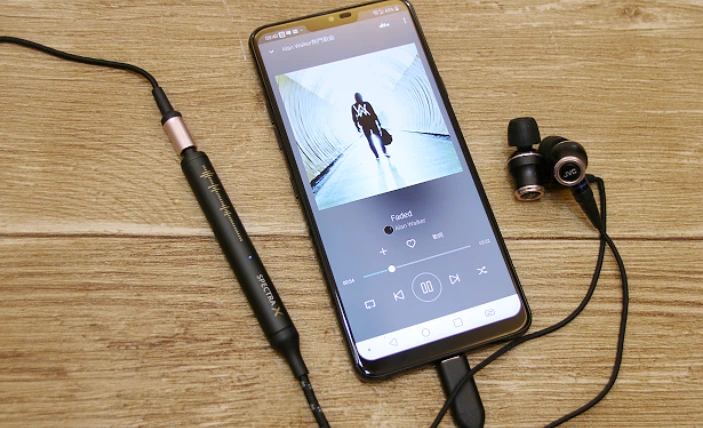
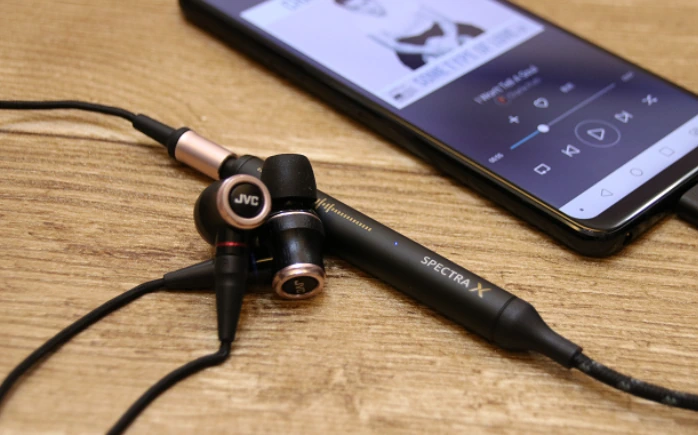
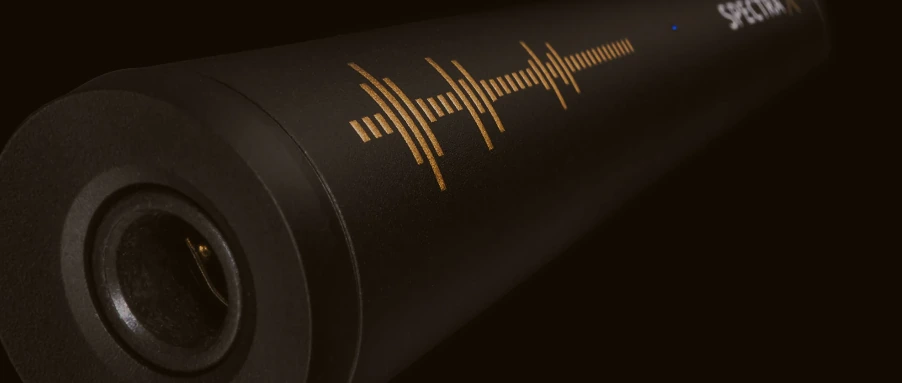
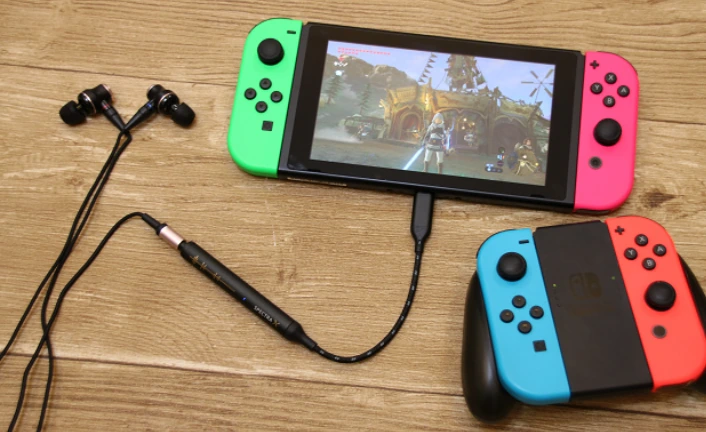
Spectra X works as an external DAC and headphone amplifier. It takes over the conversion stage and gives your wired headphones a cleaner analog signal. This can improve clarity, separation, bass control and overall detail, especially when your headphones are good enough to reveal the difference.
A DAC is not a magic sound filter. It will not fix bad headphones or low-quality recordings. Its job is more precise: convert the signal cleanly and drive the headphones with less noise and distortion than a weak built-in output.
How Do You Control the Volume?
Spectra X does not use a separate volume wheel or gain switch. Volume is controlled through the master volume of your phone, tablet or computer.
This makes daily use simple. You plug it in, connect headphones and adjust volume from the device as usual. For safety, start at a low volume before playing music, especially with sensitive in-ear monitors. Some headphones can become loud quickly when connected to a dedicated DAC/AMP.
Does Spectra X Need Charging?
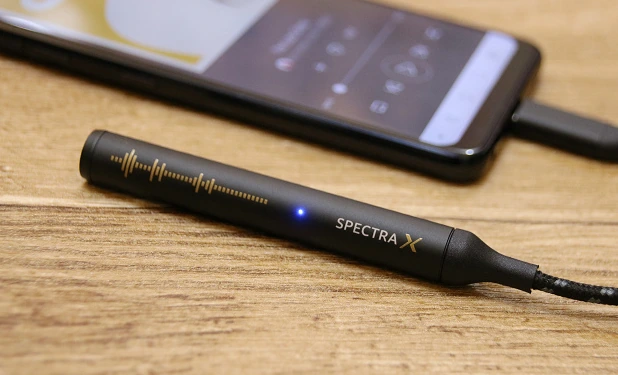
No. Spectra X does not have a built-in battery that needs separate charging. It receives power from the connected device through USB.
This is useful for travel and mobile listening because there is one less battery to manage. The trade-off is that Spectra X will use a small amount of power from your phone, tablet or laptop. For long listening sessions on a phone, expect some battery impact, but the device is designed to be energy-efficient.
Does Spectra X Get Hot?
Spectra X may become slightly warm during use, but it is designed to keep heat low compared with larger or less efficient portable DACs. Mild warmth is normal for compact audio electronics, especially during longer sessions.
If the device becomes uncomfortably hot, disconnect it and check the setup. Possible causes can include a poor adapter, unstable USB power, a demanding headphone load or a phone case that traps heat around the connection area.
Device Compatibility
Which Devices Are Compatible with Spectra X?
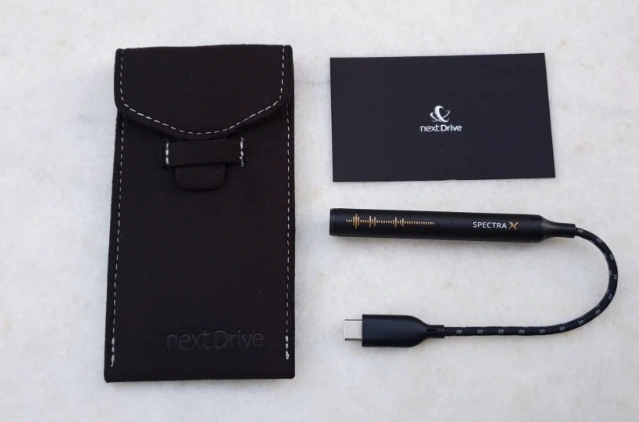
Spectra X works with Windows, macOS, iOS and Android through USB 2.0, but the exact connection depends on the version of the device and the port on your phone or computer.
For laptops and desktops, compatibility is usually straightforward. For phones and tablets, adapters matter more:
- iPhone or iPad with Lightning usually needs Apple’s USB camera adapter.
- USB-C Android devices usually need an OTG-compatible adapter or cable.
- Micro USB devices may need a proper OTG adapter.
- Some phones may require USB audio to be enabled automatically by the system.
Before buying or connecting, check the exact Spectra X version: Type-C, Micro USB or another connector variant. Many problems come not from the DAC itself, but from using the wrong adapter.
Headphone Matching
Which Headphones Work Best with Spectra X?
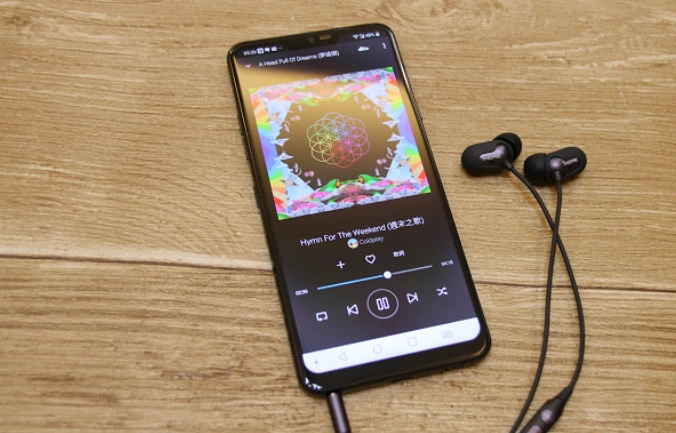
Spectra X is suitable for many wired headphones and in-ear monitors. It is generally recommended for headphones up to 300 ohms, but impedance alone does not tell the full story. Sensitivity also matters.
Efficient headphones and IEMs are usually the easiest match. They need less power and can benefit from cleaner conversion, lower noise and better control. Very demanding full-size headphones may play, but they may not reach their best dynamics or volume from a small portable DAC.
For best results, use Spectra X with headphones that are already capable of good detail. If the headphone itself is muddy, harsh or technically limited, the DAC can improve the signal path but cannot fully change the headphone’s character.
Drivers and Output
Do You Need Drivers?
On Windows, Spectra X may require a specific driver for full support. The driver is usually provided in the download section of the product site or support page. Installing the correct driver can help with Hi-Res playback, stable detection and proper output settings.
On macOS, iOS and Android, Spectra X is generally designed to work without special driver installation. You still need the correct adapter and a device that supports USB audio output.
After connection, check your system audio settings. Make sure Spectra X is selected as the output device. In music apps, also check whether the app is sending audio directly to Spectra X or routing it through system-level processing.
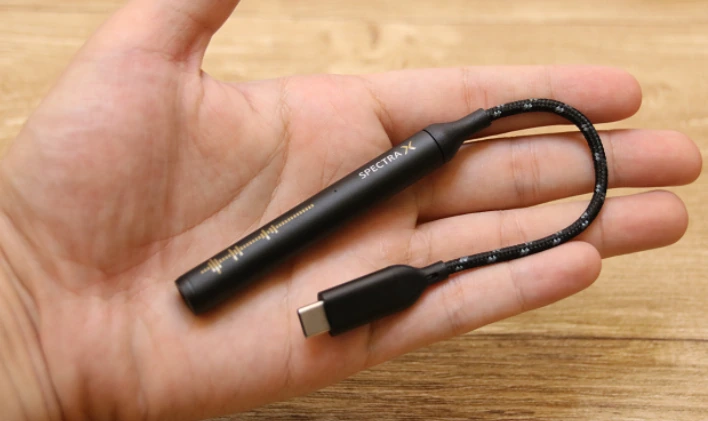
When Does Spectra X Make the Biggest Difference?
Spectra X is most useful when three conditions come together: you use good wired headphones, you play quality music files or streams, and your current device has average or weak audio output. In that situation, a portable DAC can make the listening experience cleaner, more controlled and more detailed.
It is less useful if you listen only through Bluetooth headphones, low-bitrate files or very basic earbuds. Bluetooth bypasses the wired DAC path, and poor source files limit what any DAC can reveal.
The practical answer is simple: Spectra X is worth considering when you want better wired sound from a phone, laptop or tablet without building a large desktop audio setup. It gives mobile listeners a compact way to hear more from their music, as long as the rest of the listening chain is ready for it.