Best IEMs for Gaming in 2026: Picks That Actually Work for Competitive and Immersive Play
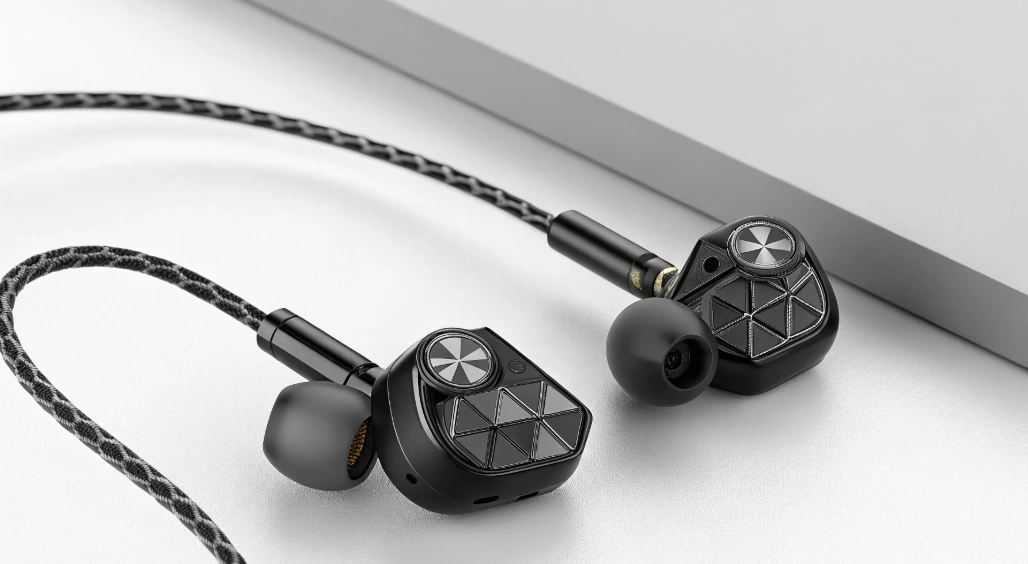
In-ear monitors aren’t the first thing most gamers consider — bulky over-ear headsets dominate the category. But IEMs offer real advantages: better isolation in noisy rooms, no headband fatigue during five-hour sessions, and on the higher end, soundstage and imaging that rival headphones costing twice as much. The catch is that most IEMs aren’t designed with games in mind, so picking the right pair requires understanding what actually matters: imaging accuracy for positional audio, a soundstage wide enough to place footsteps, comfortable long-session fit, and a microphone option if you play with a team.
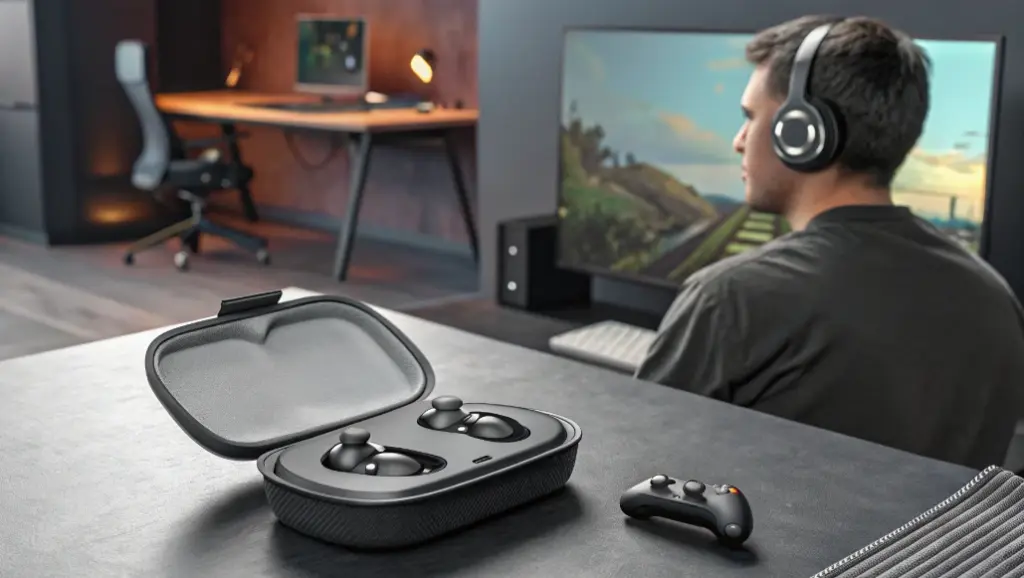
Practical verdict: for competitive shooters where positional cues decide rounds, prioritize neutral tuning and strong imaging over bass impact — the Beyerdynamic DT 70 IE and Sony INZONE E9 lead here. For story-driven and single-player gaming where immersion matters more than pinpoint accuracy, the Sennheiser IE 600 and Campfire Axion deliver the cinematic punch. Budget under $60 buys usable mobile gaming sound, not competitive-grade imaging — set expectations accordingly.
What Actually Matters in a Gaming IEM
Before going through specific models, it helps to understand which specs translate to real in-game performance. Three factors matter more than the rest:
- Imaging precision — the ability to place a sound source accurately in the stereo field. Critical for FPS, battle royale, and any game where you react to enemies you haven’t seen yet.
- Soundstage width — how spacious the audio feels. IEMs naturally have narrower stages than open-back headphones, so models that punch above their form factor here are worth a premium.
- Midrange clarity — dialogue, callouts from teammates, and environmental cues live in the mids. Bass-heavy tunings that swallow midrange detail will hurt situational awareness.
A microphone on the cable is the fourth factor for team games. Built-in mics on IEM cables are functionally adequate for in-game voice chat — not broadcast-grade, but clearer than most in-line headset mics at the same price.
Campfire Axion — Dialogue-Forward Tuning With USB-C Convenience
Verdict in one line: the most versatile mid-tier pick for narrative-driven gaming and team chat.
The Campfire Axion ($249 as of 2026) is a surprising entry from a brand best known for audiophile-tier IEMs. The tuning bumps the midrange slightly, which works in favor of dialogue-heavy games — RPGs, narrative shooters, anything where character voice lines carry weight. The soundstage is dynamic without being artificially wide, and the USB-C connection means no separate DAC or adapter is needed for phones, Steam Deck, or laptops.
Why it makes the list: the combination of mid-forward tuning, integrated USB-C DAC, and an in-line microphone covers the three things most gamers actually need.
Limitation: bass is present but not the focus, so explosion-heavy action games will feel slightly less impactful than on bassier tunings. The fixed USB-C connection also means no console use without an adapter.
Best for: PC and mobile players who value dialogue clarity, take voice calls during sessions, and don’t want to manage a separate DAC.
Practical detail worth knowing: the cable mic picks up keyboard noise more than typical headset boom mics. Mechanical keyboard users may want to mute during their own turn in voice chat.
Strauss & Wagner SI201 / EM8C — The Budget Mobile Gaming Pick
Verdict in one line: the right call for mobile gaming on a tight budget, not a competitive-tier purchase.
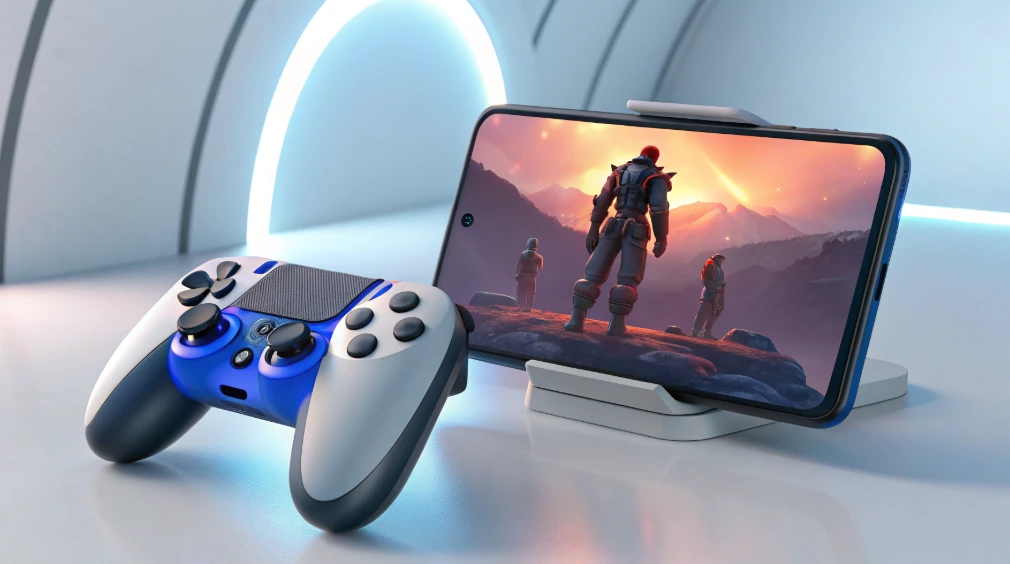
At $49.95, the Strauss & Wagner SI201 (Lightning) and EM8C (USB-C) solve a specific problem: clean wired audio for phones without an adapter, with a mic for game chat. The SI201 with MFi-certified Lightning connector serves older iPhones, while the EM8C covers iPhone 15 and later, plus modern Android.
Why it makes the list: at this price, you get a direct digital connection without dongles and a working in-line microphone. For casual mobile games — Genshin Impact, Call of Duty Mobile, MOBAs — the sound is clean and direct enough.
Limitation: the soundstage is narrow and the imaging won’t compete with anything in the $150+ range. Treble can feel slightly clipped on bright tracks.
Best for: travelers who want a backup pair for the phone, students with budget constraints, anyone who needs a wired connection without a 3.5mm jack and doesn’t want to spend more than a streaming subscription.
Practical detail worth knowing: the cable is short — sized for phone-in-pocket use, not laptop or desk gaming. Plan for an extension cable if you’ll use them at a desk.
Meze Alba — Audiophile Sound Without the Audiophile Price
Verdict in one line: the value pick if you want recognizable audiophile-brand tuning under $200.
Meze’s reputation rests on their high-end Empyrean and Liric headphones, and the Alba ($159) brings that house sound into accessible territory. The soundstage is genuinely wide for a closed IEM at this price, with clear separation between instruments and effects. Compared to Meze’s own Advar at a much higher price, the Alba delivers around 80% of the experience for roughly a third of the cost.
Why it makes the list: few IEMs under $200 sound this open. For gaming, that translates to better spatial awareness in atmospheric titles where ambient sound and environmental design matter.
Limitation: no microphone on the standard cable, which limits team-game use unless paired with a separate boom mic or desktop microphone setup. The single dynamic driver tuning leans natural rather than bass-emphasized.
Best for: single-player gamers who also use the IEMs for music, players who already have a separate microphone setup, listeners coming from cheaper IEMs who want their first taste of audiophile tuning.
Practical detail worth knowing: the included eartips are decent but generic — many owners get noticeably better isolation and bass response by swapping to aftermarket foam tips, a $15 upgrade that meaningfully changes the experience.
Sony INZONE E9 — Purpose-Built for Gaming, Backed by Sony Tuning
Verdict in one line: the most directly gaming-targeted IEM here, and the easiest plug-and-play option in its price range.
The INZONE E9 ($149.99) is Sony’s first serious in-ear push into the gaming category. The fit is comfortable for multi-hour sessions, multiple eartip sizes are included, and the imaging is genuinely well-tuned for placing footsteps and directional cues. A USB-C DAC ships in the box, so the connection is plug-and-go for PC, PS5 (with the included USB connection), or any USB-C device.
Why it makes the list: the combination of competitive-friendly imaging, included DAC, and carrying case at $150 is hard to beat for the price.
Limitation: the sound signature is intentionally balanced for competitive play, which means music listening can feel slightly flat compared to more entertainment-tuned options like the Sennheiser IE 600 or Meze Alba.
Best for: competitive players who want a single tool optimized for the job, console gamers who need a working USB connection out of the box, anyone who values having everything in one box without buying accessories.
Practical detail worth knowing: the included DAC is gaming-grade rather than audiophile-grade — fine for its purpose, but listeners who later upgrade to a higher-tier DAC will hear improvement, since the IEM itself can resolve more detail than the bundled DAC fully delivers.
Beyerdynamic DT 70 IE — Studio-Grade Imaging for Competitive Play
Verdict in one line: the most technically capable mid-tier pick for players who treat positional audio as a competitive edge.
Beyerdynamic built the DT IE series ($579.99 for the DT 70 IE) on its studio monitor heritage, and the DT 70 IE specifically targets balanced reproduction across the spectrum. The result is an IEM that places sounds with precision and reveals environmental detail other tunings smooth over. The DT 71 IE in the same line adds more bass weight for listeners who want it.
Why it makes the list: at this tier, the question shifts from “good for gaming” to “good enough to actually improve your play.” The DT 70 IE belongs to that group.
Limitation: the price is hard to justify unless gaming is a meaningful part of your week and the IEMs will double for music or content production. No microphone — a separate desktop or boom mic is mandatory for team play.
Best for: competitive players in tactical shooters or BR titles who already invest in their setup, content creators who need a monitoring-grade IEM that also works for gaming, listeners who want studio neutrality over entertainment tuning.
Practical detail worth knowing: the four DT IE tunings (DT 70, 71, 72, 73 IE) target different listener profiles. The DT 70 IE is the most game-friendly because of its neutral balance, but auditioning the DT 71 IE is worthwhile if you tend to prefer warmer headphones.
Sennheiser IE 600 — The Premium Pick for Immersive Single-Player
Verdict in one line: the choice for players who want explosions, soundtrack, and atmosphere to land with cinematic weight.
The Sennheiser IE 600 ($899.95) sits at the top end of this list, and the price buys real performance: a wide stage, powerful low-end extension, and detail that holds up against IEMs costing significantly more. For story-heavy games with strong sound design — Cyberpunk 2077, the Resident Evil remakes, recent Hideo Kojima titles — the IE 600 is among the most immersive ways to experience them short of a dedicated home theater setup.
Why it makes the list: the low-end response gives action and combat scenes physical impact, while the resolution preserves quieter detail. Comfort is also strong, which matters at this price point — uncomfortable expensive IEMs get returned.
Limitation: the price is the obvious one. The other is that the IE 600’s slightly warmer-than-neutral tuning, while gorgeous for immersion, isn’t the absolute ideal for the most precise competitive imaging — that role is better served by the DT 70 IE or INZONE E9.
Best for: single-player and narrative gamers with a serious audio budget, listeners who also use the IEMs heavily for music, anyone who values build quality and long-term ownership.
Practical detail worth knowing: the IE 600 uses standard MMCX-style connections (Sennheiser’s proprietary variant), so cables can be swapped — including for balanced cables if you run them into a balanced-output DAC for measurably better separation.
How to Choose Between Them
The six picks divide cleanly by use case. Use this as a quick decision guide rather than a ranking:
| Model | Price | Best For | Microphone | Soundstage / Imaging |
| Strauss & Wagner SI201 / EM8C | $49.95 | Mobile, travel backup | Yes | Narrow / Basic |
| Sony INZONE E9 | $149.99 | Competitive PC and console | No (DAC included) | Wide / Excellent |
| Meze Alba | $159 | Single-player, music crossover | No | Wide / Very good |
| Campfire Axion | $249 | Dialogue-heavy games, team chat | Yes | Medium / Very good |
| Beyerdynamic DT 70 IE | $579.99 | Competitive at high level | No | Wide / Reference-grade |
| Sennheiser IE 600 | $899.95 | Cinematic single-player, music | No | Very wide / Reference-grade |
A few practical notes that don’t fit in the table. First, IEMs that don’t include a microphone require a separate audio input solution — a desktop mic or a boom mic clipped to your monitor — so factor $50–150 into the budget if you don’t have one. Second, console compatibility varies: most of these need either an included USB DAC, a controller’s 3.5mm jack, or a separate USB DAC, and some consoles don’t pass game chat over USB audio. Verify the chain before committing on the premium tiers.
The headset format isn’t going away, but for players who’ve never tried IEMs for long sessions, the comfort difference becomes obvious within the first week. Lighter weight, no warm ears, and better isolation in shared spaces add up. Once you’ve decided on a budget bracket and a primary use case — competitive or immersive — the choice between these six narrows quickly.